Table of contents
Forestry operations are rapidly evolving thanks to the integration of advanced felling and clearing tools. These innovations are transforming traditional methods, delivering improvements in both productivity and sustainability. Explore how the latest equipment and practices are shaping the future of forestry, setting new benchmarks for efficiency and environmental stewardship. Continue reading to uncover the technologies, strategies, and impacts driving this progress.
Innovative felling technologies
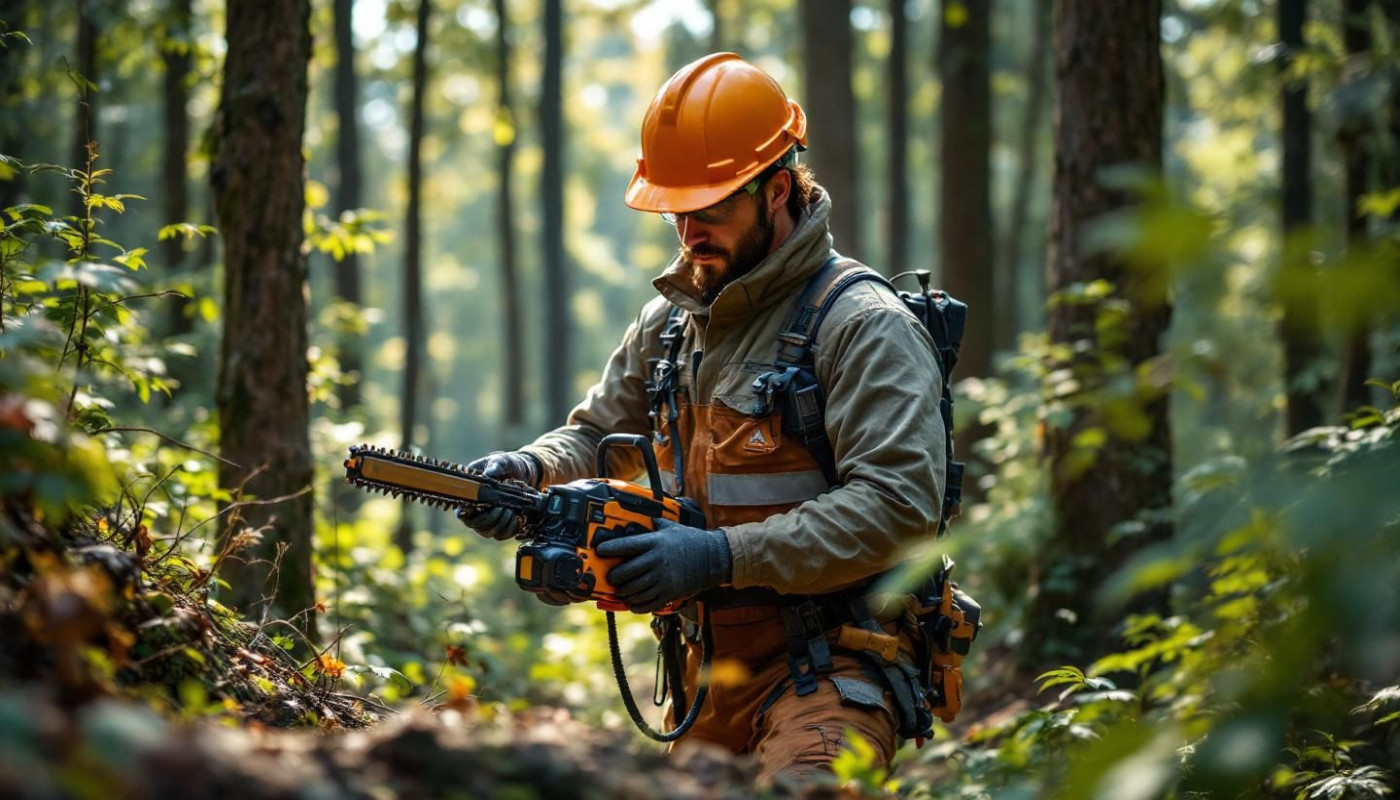
Recent developments in mechanized felling have transformed forestry operations, with advanced saws and state-of-the-art logging equipment fundamentally altering how tasks are performed. Mechanical harvesters, fitted with precision cutting heads, make use of directional felling techniques to ensure that trees fall exactly where intended, which significantly reduces risk and enhances productivity. Forestry automation has introduced remote-controlled and automated harvesters that can operate in challenging environments, allowing operators to manage equipment from safe distances while maintaining full control over functions and efficiency. These advancements not only diminish the physical strain on workers but also enable more accurate and consistent results, leading to safer and more sustainable working conditions.
By integrating smart sensors and data-driven feedback into modern logging equipment, companies can optimize cutting angles, monitor machine health, and quickly adapt to terrain changes. The widespread adoption of automated harvesters has also improved the precision of timber extraction, minimizing waste and environmental impact. For those seeking real-world examples of these technologies and their benefits, here are the findings demonstrates practical applications and industry results. Such ongoing innovation represents a significant leap in both safety protocols and the overall productivity of forestry teams, making mechanized felling and forestry automation indispensable assets in today’s logging industry.
Clearing tools for undergrowth
Forested landscapes demand efficient undergrowth management, and specialized brush clearing tools are vital for optimizing both productivity and ecological care. Mulching heads excel in breaking down dense vegetation directly into mulch, which enriches the soil and reduces waste, making them integral to sustainable forest maintenance. Brush cutters, available in handheld and mechanized forms, are designed for precision vegetation control, allowing operators to remove specific shrubs without harming nearby trees or soil structure. Flail mowers, featuring rotating blades mounted on tractors or excavators, offer rapid clearing of expansive areas while dispersing chopped material evenly, which supports healthy regrowth. These advanced tools not only streamline site preparation but also limit soil compaction and disturbance, ensuring that sensitive ecosystems remain resilient throughout clearing projects. Employing such technologies enables forestry professionals to maintain high efficiency while prioritizing responsible land stewardship and minimal ecological impact.
Boosting sustainability in forestry
Advanced felling and clearing tools have become vital for sustainable forestry, enabling low-impact harvesting while preserving delicate ecosystems. Precision logging equipment allows operators to carefully target specific trees, minimizing unnecessary waste and leaving surrounding vegetation undisturbed, which directly supports habitat protection for native wildlife. These eco-friendly tools are specifically designed to reduce soil compaction and erosion, helping maintain soil quality and promote long-term forest health. Use of digital resource monitoring and sophisticated planning technologies further enhances responsible harvesting; managers can track forest regeneration and assess the impact of operations in real time. This comprehensive approach ensures that timber extraction aligns with environmental goals, demonstrating a commitment to sustainable forestry practices that balance economic needs with the preservation of natural resources.
Operator training and safety
A well-trained workforce plays a pivotal role in harnessing the full potential of advanced forestry tools. As equipment grows more sophisticated, forestry operator training must evolve to cover both technical proficiency and a comprehensive understanding of machinery certification requirements. Operators are now expected to participate in programs that blend virtual simulations, hands-on exercises, and regular assessments, ensuring they are comfortable with the nuances of modern advanced forestry tools. Many organizations now mandate rigorous machinery certification processes, aligning with international standards and often requiring renewal at regular intervals to confirm ongoing competence. Operator education does not end at initial qualification; continuous learning modules are being integrated to keep operators updated on new equipment safety features, digital interfaces, and best practices that emerge as technology progresses. A strong emphasis is placed on the proper use of personal protective equipment (PPE), as stipulated by the director of forestry training, with tailored protocols developed for each type of advanced tool. These safety measures, embedded in both initial and refresher training, support a culture of responsibility, reducing workplace incidents and ensuring that forestry operations not only remain efficient but also safe for all personnel involved.
Future trends in forestry tools
Forestry innovation is rapidly evolving with the integration of advanced technologies such as robotics, artificial intelligence, and data analytics. AI forestry tools are transforming traditional practices by enabling predictive maintenance, optimizing tree selection, and enhancing safety protocols. Robotic harvesters equipped with smart sensors can now gather real-time data from the environment, significantly improving operational efficiency while reducing the need for manual labor in hazardous conditions. The advancement of forestry technology trends also includes machine-to-machine communication, where connected devices and automated systems share information instantly, empowering forest managers to make smarter, data-driven decisions on-site.
As these intelligent systems become more widespread, the sector is poised to achieve new benchmarks in both productivity and sustainability. Smart sensors play an indispensable role by continuously monitoring variables such as tree health, soil moisture, and equipment performance. This constant flow of information supports immediate adjustments to machinery or techniques, minimizing environmental impact and resource waste. Experts predict that these technologies will not only streamline timber extraction but also support better ecosystem management, thus aligning operational goals with conservation efforts.
Looking ahead, the adoption of robotic harvesters and AI forestry tools signals a shift toward safer, more precise, and environmentally conscious forestry practices. Forestry technology trends indicate that integrated automation and data analysis will become standard components in the industry, reshaping daily workflows and long-term strategies. As machine-to-machine communication becomes more refined, the seamless coordination between equipment and analytics platforms will allow for rapid responses to changing forest conditions, ultimately driving higher standards for safety, efficiency, and ecological responsibility in modern forestry operations.
On the same subject

How The New Generational Shift In AI Impacts User Experience?

How Iris Photography Can Turn Your Eye Into Unique Art

Exploring the Intersection of Sports and Gaming: Can Digital Platforms Improve Volleyball Skills?

What you should know about Offshore web hosting
